Transform Your Look with Professional Services at an Edit Salon: The Ultimate Beauty Experience
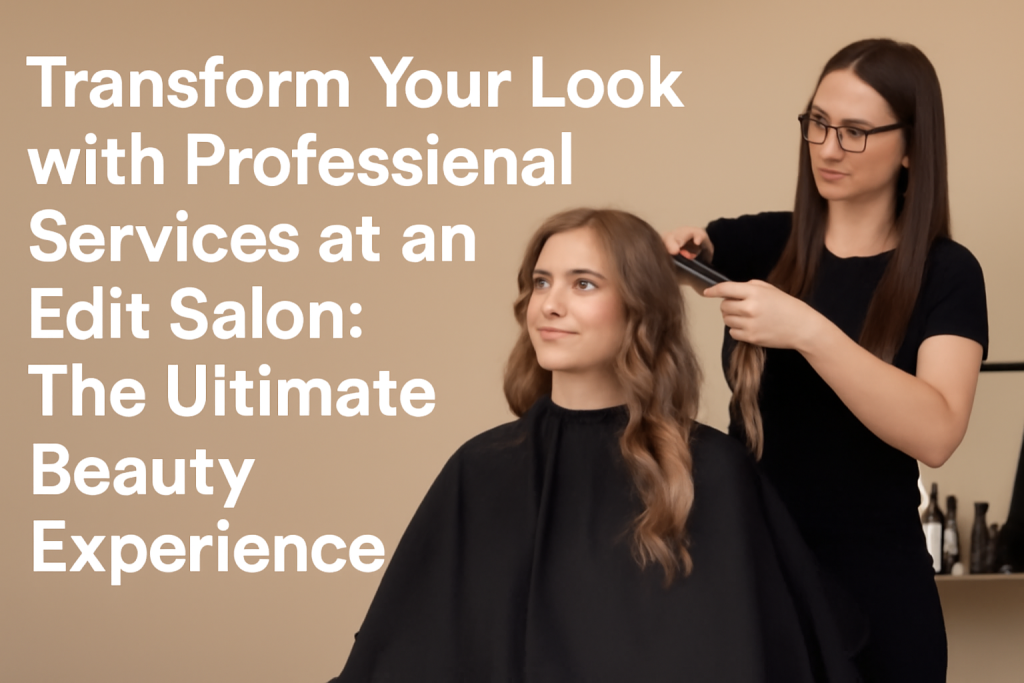
An edit salon is a modern twist on the traditional salon experience, combining beauty services with expert editing to enhance the overall look and feel of clients. These salons offer a wide range of services such as hairstyling, makeup, nail care, and even specialized treatments like photo editing for social media or branding purposes. By blending beauty with digital enhancements, edit salons help clients achieve their desired look both in person and online, making them an essential destination for those seeking a polished, flawless appearance.
What are the different types of salons?
Salons come in various shapes and sizes, each offering specific services based on the type of beauty or grooming care you’re looking for. The most common types of salons include:
- Hair Salons: These focus on hair care, cutting, styling, coloring, and treatment services. Whether you’re looking for a trim or a whole new hair color, these salons specialize in everything from basic haircuts to complex hair treatments like keratin smoothing or balayage coloring.
- Nail Salons: Nail salons specialize in nail care, including manicures, pedicures, gel nails, and nail art. They’re the go-to places for any type of nail maintenance, whether you’re looking for a simple polish or a creative, intricate nail design.
- Beauty Salons: These salons offer a broad range of beauty treatments, including facials, makeup application, waxing, and body massages. They focus on overall beauty treatments and are a one-stop shop for making sure your skin, nails, and hair look their best.
- Specialty Salons: Some salons specialize in specific areas such as makeup or spa services. Makeup salons are ideal for those who want professional makeup for special occasions, while spa salons focus on relaxation and skincare, offering services like massages, facials, and body scrubs.
Each type of salon is designed to cater to different beauty needs, offering expert care and treatments that are often customized for each client.
How did salons evolve over time?
Salons have been around for centuries, but they haven’t always been what we think of today. Historically, salons began as gathering places for intellectuals and artists in the 17th and 18th centuries. Over time, they evolved into spaces where people could also receive personal grooming and beauty treatments.
In the early 1900s, the rise of beauty culture saw salons begin to specialize in hair and skincare services. Milestones such as the invention of the permanent wave (perms) in the 1920s and the introduction of modern color treatments helped salons become more specialized. The 1960s and 1970s brought about the rise of makeup artistry and hair coloring as key salon services.
In recent decades, salons have grown to encompass a wide range of services. From the addition of nail salons to the explosion of spa treatments in the 1990s, the salon industry has adapted to meet changing trends. Technology has also played a major role, with the development of advanced haircare tools, AI-driven skincare, and sustainable products. Today, salons continue to evolve with new treatments and services, offering customers more ways to look and feel their best.
Why are salon services important for personal care and well-being?
Salons do more than just make you look good; they also play a significant role in boosting your confidence and improving your mental well-being. For many people, going to a salon is a form of self-care. It’s a chance to relax, refresh, and indulge in some personal attention.
Salon services can have a huge impact on personal appearance. For example, a new hairstyle or a glowing facial can instantly make someone feel more confident and ready to take on the world. Moreover, salons offer a place for relaxation and stress relief, whether it’s through a soothing massage, a facial, or simply enjoying a moment of quiet time.
The social aspect of visiting a salon is also important. It provides an opportunity to interact with others, whether it’s chatting with the stylist or bonding with a friend during a manicure. This interaction can have a positive psychological effect, making salon visits an essential part of many people’s routines.
What are the most popular treatments in salons today?
The demand for salon services is constantly changing, but there are several treatments that continue to be favorites among clients:
- Haircuts and Styling: Whether it’s a trendy pixie cut, a sophisticated bob, or long layers, haircuts are the foundation of most salon visits. Styling services like blowouts and updos are also hugely popular for special occasions.
- Facials: Skincare has become a significant focus in recent years, and facials are one of the most requested treatments. They can address concerns like acne, aging, and hydration, and often include relaxing massages and extractions.
- Manicures and Pedicures: Nail care is a classic salon treatment. Whether you’re opting for a simple polish or a full-on gel manicure with intricate designs, manicures and pedicures are staples in most salons. The rise of nail art has made these services even more popular.
- Hair Coloring: From balayage to ombré to full color changes, hair coloring services are consistently in demand. Salons offer a range of coloring techniques to suit different styles, skin tones, and preferences.
- Massage and Body Treatments: Many salons now feature spas that offer massage therapy and body treatments like body wraps or scrubs. These services are great for relaxation and skin rejuvenation.
Salon treatments continue to evolve to meet the growing demand for beauty and self-care services. From innovative skincare solutions to personalized hair treatments, salons are constantly adapting to the latest trends and customer desires.
Salon Equipment and Tools
What essential tools do salons need to operate effectively?
Salons require a range of tools to deliver quality services. These tools are essential for a smooth operation and ensuring customer satisfaction. Some of the most basic but essential equipment include:
- Hairdryers and Flat Irons: These are fundamental in styling hair. Hairdryers are used for drying and styling, while flat irons are often used for straightening or creating sleek styles.
- Scissors and Clippers: Professional-grade scissors are needed for cutting hair accurately. Clippers are essential for shorter hairstyles or fades, especially in men’s haircuts.
- Nail Care Tools: For nail salons, tools like nail clippers, buffers, files, and cuticle pushers are critical for proper nail care and maintenance.
- Waxing Kits: These are essential for hair removal services. Waxing kits come with wax warmers, applicators, and cloth strips.
These basic tools ensure that salons can offer a full range of services from haircuts to facials. Having the right tools makes the difference between an average service and an exceptional one.
What are the latest technologies used in salon equipment?
Technology has played a huge role in advancing the salon industry. Today, salons are using the latest gadgets and tools to offer faster, more effective treatments with better results. Some of the newest technologies in salon equipment include:
- Digital Skin Care Machines: These machines use advanced technology to analyze the skin and recommend tailored facials or treatments based on individual needs. These machines help beauticians provide highly customized skincare.
- LED Nail Lamps: Nail salons use these devices to cure gel nails quickly, reducing the amount of time clients need to spend under the lamp. These lamps are more energy-efficient and safer than older models.
- High-Tech Hairdryers: Modern hairdryers have become more efficient and specialized. Many use ionic technology to reduce frizz and cut down on drying time.
New technology allows salons to deliver faster, more precise, and more effective services, making client experiences more pleasant.
How should salon equipment be maintained and cared for?
Proper maintenance of salon equipment is essential to ensure it functions optimally and lasts longer. Here are a few tips for keeping equipment in top condition:
- Clean Regularly: All tools should be cleaned after each use. Hairdryers, scissors, nail tools, and waxing equipment should be wiped down to remove any hair, debris, or product buildup.
- Disinfect Tools: To maintain hygiene and prevent the spread of bacteria, disinfect tools like scissors, combs, and nail care tools after every use.
- Check for Wear and Tear: Regularly inspect equipment for signs of damage, such as dull blades or frayed cords. Replacing or repairing damaged equipment prevents accidents and ensures safety.
Routine maintenance extends the life of equipment and ensures that clients get the best possible service every time.
What are some recent innovations in salon tools and equipment?
The salon industry is constantly innovating, with new tools and equipment being introduced regularly. Some of the most recent innovations include:
- AI-Powered Tools: Artificial intelligence is now being used in some salons for personalized services. AI-powered machines can analyze your hair texture or skin and recommend products or treatments tailored just for you.
- Eco-Friendly Products: Many salons are now opting for sustainable tools, such as eco-friendly hairdryers or biodegradable wax strips, as part of a larger trend toward eco-conscious beauty.
These innovations help salons stay competitive and meet the demands of modern consumers who want fast, personalized, and eco-friendly services.
Why is using high-quality salon equipment important?
Using high-quality equipment is vital to providing a superior client experience. High-quality tools not only provide better results but also enhance safety and efficiency. For instance:
- Better Results: Professional-grade equipment ensures smoother, faster, and more effective treatments, whether it’s styling hair, performing a facial, or applying makeup.
- Increased Safety: Top-quality tools reduce the risk of injury. Dull scissors or faulty electrical equipment can lead to accidents, while high-quality tools offer better control and reliability.
- Client Satisfaction: High-quality equipment helps build a salon’s reputation by offering consistent and professional results.
By investing in the best equipment, salons ensure that their clients leave feeling satisfied with the results, building loyalty and encouraging repeat business.
Nail Care
What are the most popular nail treatments in salons?
Salons offer a wide variety of nail treatments, each designed to enhance the appearance and health of your nails. Here are some of the most popular options:
- Manicures: A basic manicure includes trimming, shaping, and polishing nails. It often involves treatments for cuticles and can include additional elements like hand massages or exfoliation.
- Pedicures: Similar to manicures, but for the feet. Pedicures include nail trimming, cuticle care, and often a relaxing foot massage. They can also include exfoliation and callus removal.
- Gel Nails: Gel nails have become a popular alternative to regular polish. They are cured under a UV light, making them more durable and long-lasting. Gel nails are ideal for those looking for a sleek, polished look that lasts for weeks without chipping.
- Nail Extensions: Nail extensions, such as acrylic nails or fiberglass wraps, are used to lengthen natural nails or create elaborate designs. These extensions can be customized in various shapes and lengths to suit the client’s preferences.
- Nail Art: Nail art is an exciting way to personalize your nails. From simple patterns and designs to intricate 3D creations, nail art is all about creative expression. Popular designs include seasonal themes, geometric patterns, and floral designs.
Salons offer these treatments to cater to different needs, from basic care to more elaborate nail transformations.
How do salons offer different types of nail polish services?
Salons typically offer a variety of nail polish types, each with its own benefits and characteristics:
- Regular Polish: The classic nail polish that requires drying time and is easily removed with nail polish remover. It offers a wide range of colors and finishes, but it doesn’t last as long as other options.
- Gel Polish: Gel polish is a more durable alternative that is cured under UV light. It lasts longer than regular polish, typically up to two weeks without chipping, and has a high-gloss finish. It’s perfect for those who want longer-lasting, low-maintenance nails.
- Dip Powder Nails: Dip powder nails are applied by dipping the nail into the powder, followed by a sealing gel. This method is often more durable than regular polish but less damaging than acrylics. It also offers a smooth, natural finish and can last up to three weeks.
Each type of polish offers different advantages, with gel and dip powder being especially popular for their longevity and resistance to chipping. Salons help clients choose the best option based on lifestyle and preferences.
What are the proper nail care techniques used in salons?
Maintaining healthy nails is crucial, and salons use a variety of techniques to ensure that nails are not only beautiful but also healthy:
- Nail Filing and Shaping: Proper filing and shaping are key to preventing nail damage. Salons use high-quality nail files to shape nails into rounded, square, or oval shapes, depending on the client’s preference.
- Cuticle Care: A good salon manicure includes careful cuticle care. Cuticles should be gently pushed back (never cut) to prevent infection and encourage nail growth.
- Exfoliation: To keep hands and feet soft, salons exfoliate the skin around the nails. This removes dead skin cells and leaves the skin feeling smooth and rejuvenated.
- Hydration: Many salons offer moisturizing treatments that include hydrating lotions, oils, and hand massages. Keeping your hands and nails moisturized helps prevent dryness and cracking.
Salons prioritize hygiene by using sterilized tools and ensuring that treatments are done in a clean environment, reducing the risk of infections or other issues.
What are the latest trends in nail art and nail care?
Nail art has become a major trend, and salons are always updating their designs to match current styles. Some of the latest trends in nail care and nail art include:
- Minimalist Designs: Clean, simple lines or tiny geometric shapes on nails are popular for those who prefer a more subtle, elegant look. It’s all about simplicity with a touch of sophistication.
- 3D Nail Art: This trend adds depth and texture to nails using rhinestones, studs, or intricate 3D designs. From flowers to abstract shapes, this art form can turn nails into a mini canvas.
- Seasonal Themes: Nail designs reflecting the seasons, holidays, or special events are always in demand. From pumpkin-inspired nail art in fall to snowflakes in winter, seasonal designs help clients celebrate the moment.
- Matte Finishes: Matte nails are a growing trend, with a smooth, velvety finish that looks elegant and modern. Salons offer matte topcoats over regular polish or gel nails for a chic look.
Salons stay up-to-date with these trends, ensuring they offer clients the most fashionable and creative nail art options available.
How do salons ensure nail health and hygiene?
Maintaining nail health and hygiene is crucial for both safety and appearance. Salons follow strict procedures to ensure that clients’ nails are treated with care and cleanliness:
- Sterilization: All tools, such as nail clippers, files, and buffers, are sanitized before and after each use. This prevents cross-contamination and keeps the process safe for all clients.
- Disinfection: Nail stations are thoroughly disinfected between appointments. Surfaces that come in contact with hands, feet, or nails are cleaned using hospital-grade disinfectants.
- Proper Tool Usage: Only clean, sharp tools are used to trim or shape nails, which helps prevent injury and promotes healthy nail growth.
By following these hygiene standards, salons help clients maintain healthy nails while reducing the risk of infections, fungi, or other nail-related issues.
Skin Care
Why is skin care an essential service in salons?
Skin care is one of the most requested services at salons, and it plays a significant role in enhancing overall appearance and well-being. Professional skin care treatments provide tailored solutions to specific skin concerns, helping clients maintain healthy, glowing skin.
- Expert Treatments: Salon professionals are trained to understand different skin types and conditions. They use specialized tools and products to address issues like acne, dryness, and aging, offering solutions that may not be achievable at home.
- Deep Cleansing and Hydration: Facials and skin treatments offered at salons deeply cleanse and hydrate the skin, removing impurities, improving texture, and promoting a youthful appearance.
Salon skin care services improve the skin’s overall health and appearance, making it an essential part of any beauty regimen.
What common skin concerns do salons address?
Salons offer a range of services to help address common skin concerns:
- Acne: Salons use facials with ingredients like salicylic acid or benzoyl peroxide to reduce breakouts and control oil production.
- Aging: Anti-aging treatments such as facials with retinol or vitamin C are designed to minimize wrinkles and boost skin firmness.
- Dry Skin: Salons provide hydrating treatments that replenish moisture, leaving the skin soft and smooth.
- Pigmentation: Treatments like chemical peels or brightening facials can help reduce dark spots and uneven skin tone.
What skincare routines do salons recommend for different skin types?
Every skin type requires a unique approach, and salons offer tailored advice for maintaining healthy skin:
- Oily Skin: Salons recommend oil-free moisturizers and mattifying treatments to reduce shine and prevent clogged pores.
- Dry Skin: For dry skin, salons suggest rich, nourishing products that lock in moisture, such as hydrating facials or creams containing hyaluronic acid.
- Combination Skin: Salons often recommend gentle products that balance oil production without causing dryness, with specific treatments for different zones of the face.
What are the latest advancements in skin care treatments at salons?
Salon technology and treatments are constantly evolving to meet clients’ needs. Some of the latest advancements include:
- Microdermabrasion: This treatment exfoliates the skin, removing dead skin cells to reveal smoother, brighter skin.
- Laser Therapy: Laser treatments are used to address various skin issues, such as age spots, wrinkles, and acne scars.
- Hydrafacials: This is a non-invasive facial treatment that cleanses, exfoliates, and hydrates the skin simultaneously, offering instant results with no downtime.
Can DIY home remedies be as effective as salon treatments?
While some DIY skin care remedies can help maintain healthy skin, professional salon treatments tend to deliver more immediate and noticeable results. Salons use advanced technology and high-quality products that are not readily available at home. For concerns like deep wrinkles, severe acne, or skin pigmentation, professional treatments often offer more effective and lasting solutions.
Salons provide expert guidance, using specialized tools and products designed to target specific skin issues, making them a better option for serious skincare needs.
Makeup
How has makeup evolved in the salon industry?
Makeup services in salons have evolved significantly over the years, with an increasing focus on personalized and high-quality makeup applications. In the past, makeup was typically seen as a daily routine, but today, salons offer professional makeup services for special events, including weddings, photoshoots, and evening occasions.
Over time, makeup trends have shifted toward natural and enhanced beauty. While bold, dramatic looks were once popular, there’s now a greater emphasis on skin-like finishes and glowing complexions.
What types of makeup services do salons typically offer?
Salons offer a variety of makeup services, including:
- Bridal Makeup: Tailored to the bride’s style and the theme of the wedding, bridal makeup services often include airbrush applications for a flawless, long-lasting finish.
- Evening Makeup: For special events or parties, salons create stunning looks that may include bold eyeshadows, smoky eyes, or dramatic lips.
- Everyday Makeup: Some clients seek professional help for natural, everyday looks. Salons can create a fresh, polished look for those who want to enhance their features without going overboard.
Salons also offer specialized techniques like airbrush or HD makeup, perfect for high-definition photography or long-lasting wear.
What makeup tips and tricks can salon professionals share with clients?
Professional makeup artists often share a wealth of tips, such as:
- Choosing the right foundation: Finding a match for your skin tone is key to achieving a natural look.
- Long-lasting makeup: Using setting sprays and powders to keep makeup in place all day.
- Enhancing natural features: Focusing on highlighting and contouring to accentuate your best features without going overboard.
How do salons help clients choose the right makeup products?
Salons often offer personalized consultations to help clients select makeup products that suit their skin tone, texture, and type. Makeup artists recommend foundations, concealers, and eyeshadows based on the client’s preferences and needs.
What are the latest makeup trends seen in salons?
Today’s makeup trends are all about enhanced natural beauty. Trends include glowing skin, bold eyeliner, and soft, defined brows. Salons stay ahead of these trends by offering new products and techniques that align with current beauty preferences.
Men’s Grooming
What types of haircuts and styles are popular for men in salons?
Men’s grooming has evolved to include a variety of cuts and styles, from classic looks to more modern, edgy styles. Popular styles today include:
- Fades: A popular choice for short hair, where the hair gradually shortens from top to bottom.
- Buzz Cuts: A low-maintenance option for men who prefer a neat, clean look.
- Textured Layers: A trendy style that works well for men with medium to long hair, providing volume and movement.
How do salons address beard care and grooming?
Beard grooming has become an essential part of men’s salon services. Salons offer beard trimming, shaping, and styling, ensuring clients maintain a neat and well-groomed appearance.
Essential products like beard oils, balms, and waxes are used to keep beards healthy and styled, with experts offering guidance on maintaining a great-looking beard.
How do salons cater to men’s skincare needs?
Men’s skincare treatments are gaining popularity. Many salons offer facials specifically designed for men’s skin, often focusing on deeper cleansing, anti-aging, and acne treatment. Skincare routines for men tend to be simpler but just as effective, with products aimed at reducing oiliness, promoting hydration, and preventing aging.
What are the most popular grooming services for men?
Men’s grooming services include haircuts, beard trimming, facials, and massages. These services are increasingly sought after as men focus more on self-care.
How do salons create grooming routines for different hair types in men?
Salons offer personalized advice based on hair type, texture, and styling preferences, ensuring men get the best grooming routine for their hair needs. Whether dealing with thick hair, curly textures, or thinning hair, salons cater to each client’s specific needs for a flawless look.
Bridal Services
What hair and makeup services are essential for brides?
Bridal hair and makeup are all about making the bride look and feel her best on the big day. Some of the most essential services include:
- Hair Styling: Popular styles for brides include elegant updos, soft curls, braids, and sleek, straight hair. The choice often depends on the bride’s personal style and the wedding theme. Updos tend to be popular for formal weddings, while softer curls are great for more relaxed celebrations.
- Makeup: Airbrush makeup has become a staple for brides because it provides a flawless finish that lasts throughout the day. Other common makeup options include natural looks with glowing skin or more dramatic looks for evening weddings. Brides typically choose makeup that enhances their features without looking overdone.
These services ensure that the bride’s hair and makeup complement the wedding dress, setting the stage for memorable photos and a confident walk down the aisle.
What pre-wedding beauty treatments do salons recommend?
Leading up to the wedding, brides often seek various beauty treatments to ensure they look their best. Some of the most popular pre-wedding treatments include:
- Hair Conditioning: Deep conditioning treatments are essential to ensure healthy, shiny hair. Many brides opt for professional treatments that help restore moisture and shine, especially if they plan on coloring or styling their hair extensively.
- Facials: Brides often get facials to ensure their skin is glowing and clear. A deep cleansing facial can address any skin issues, like acne or dryness, ensuring that makeup sits smoothly on the skin on the wedding day.
- Teeth Whitening: A bright smile is a must for many brides, so professional teeth whitening is often recommended. This is usually done a few days before the wedding to give the teeth time to adjust to the whitening treatment.
These treatments are part of the salon’s efforts to help brides prepare and look radiant on their special day.
What are typical bridal packages offered by salons?
Bridal packages make it easier for brides to plan their beauty services for the wedding day. Salons typically offer a variety of bridal packages:
- Basic Packages: These may include just hair and makeup for the bride, often with a trial run before the big day.
- Full Packages: Full bridal packages often include hair, makeup, nails, and sometimes even skincare services. Full-day services might also include touch-ups during the event.
- Bridal Party Packages: Some packages also offer services for bridesmaids, mothers, and flower girls, ensuring that the entire bridal party looks coordinated and beautiful.
The benefits of bundling services into one package include convenience, cost savings, and ensuring that all bridal party members get styled at the same time, maintaining a cohesive look for the wedding.
How do salons cater to the bridal party?
Salons don’t just focus on the bride—they also provide services for the entire bridal party. Bridal party services typically include:
- Bridal Party Hair and Makeup: Salons often create looks for bridesmaids, ensuring they match the bride’s overall style while also offering individual flair. Flower girls can also receive simpler, age-appropriate hair styling and makeup.
- Coordination of Styles: Ensuring the bridal party’s looks are consistent is crucial. Salons take into consideration the bridal theme, dress styles, and hair accessories to create complementary looks.
This allows the bride and her party to enjoy the day together, looking and feeling their best, with no stress about styling or makeup.
What should brides look for when choosing a bridal salon?
Choosing the right bridal salon is critical for the bride’s peace of mind and the quality of the service she receives. Here are some key factors to consider:
- Portfolio: A salon’s portfolio shows the range of styles and services they offer. It’s important for the bride to see if the salon’s work aligns with her vision for the wedding day.
- Client Reviews: Previous clients’ reviews offer insight into the salon’s quality of service, reliability, and professionalism. A salon with positive feedback and a strong reputation can give the bride confidence.
- Experience and Expertise: Choosing a salon with experienced professionals who specialize in bridal services is essential. A good salon will have stylists and makeup artists who understand how to create a long-lasting, picture-perfect look.
- Personalized Consultation: A bridal salon should offer a consultation where the bride can discuss her preferences, try different looks, and feel comfortable with the team that will be working with her.
By keeping these factors in mind, brides can ensure they choose a salon that will help them feel and look their best on their big day.
Salon Business Tips
How do you start a salon business?
Starting a salon business requires careful planning and understanding of the beauty industry. Here are the essential steps:
- Legal Requirements: Before starting, make sure to secure the necessary licenses and permits for operating a salon in your area. This includes health and safety certifications and business licenses.
- Choosing a Location: The location of your salon can significantly impact your business. Look for a place with high foot traffic, ideally in a busy area near shopping centers or residential neighborhoods.
- Setting Up Services: Decide which services you will offer based on your target market. Will you focus on haircuts, nail care, facials, or full-service beauty? Having a clear range of services will help you attract and retain clients.
- Business Plan: Create a solid business plan that outlines your salon’s vision, target audience, competition, and financial goals. This plan will be your roadmap for success and help secure funding, if necessary.
These steps help establish the foundation for a successful salon business, ensuring both legal compliance and market competitiveness.
What marketing strategies work best for salons?
Marketing a salon effectively requires reaching your target customers and building strong relationships with them. Some strategies include:
- Social Media Promotion: Platforms like Instagram and Facebook are perfect for showcasing your work through before-and-after photos or live videos of treatments. Consistently posting high-quality content helps build your brand online.
- Influencer Collaborations: Partnering with local influencers or beauty bloggers can help spread the word about your salon. Influencers’ recommendations can drive traffic and generate new business.
- Special Promotions: Offering discounts or packages for new clients, referral programs, or seasonal deals is a great way to attract new customers and retain loyal ones.
Successful marketing also involves personalized customer service. Building strong relationships through direct engagement helps generate positive reviews and repeat business.
How can salons manage and train their staff effectively?
A salon’s staff is its backbone. To ensure success, it’s important to:
- Recruit the Right People: Hire employees who are passionate about the beauty industry, skilled, and customer-focused.
- Offer Ongoing Training: The beauty industry is always evolving, so providing continuous education on new trends, techniques, and products ensures that staff stays ahead of the curve.
- Create a Positive Work Culture: Foster an environment where employees feel valued, motivated, and respected. Happy staff are more likely to provide excellent service, which translates to happy clients.
By investing in staff training and maintaining a supportive work culture, salons can offer high-quality service and retain talented professionals.
What trends and changes are shaping the salon industry?
Several emerging trends are influencing the beauty industry, including:
- Eco-Friendly Beauty: With the growing concern about the environment, many salons are adopting sustainable practices, using eco-friendly products, and reducing waste. Customers are increasingly looking for salons that are committed to sustainability.
- Technology Integration: Salons are integrating technology to improve customer experience, from booking appointments online to using advanced tools for skincare and hair treatments.
- Male Grooming Services: Men’s grooming is no longer limited to haircuts. Many salons are expanding their services to include beard care, skincare, and massages, tapping into the growing demand for male beauty services.
By staying updated with these trends, salons can remain competitive and meet the evolving needs of their customers.
How do salons manage their finances and ensure profitability?
Financial management is critical for a salon’s long-term success. Here are some tips:
- Budgeting: Create a detailed budget to keep track of expenses like rent, equipment, payroll, and product costs. Regularly review your finances to ensure profitability.
- Pricing Strategies: Research local competitors to set competitive prices. Offering a mix of premium services and more affordable options can help cater to a broader customer base.
- Expense Management: Keep overhead costs low by negotiating better deals with suppliers and minimizing waste in product use. Invest in high-quality, long-lasting equipment to avoid frequent replacements.
By maintaining sound financial practices, salons can ensure they are both profitable and able to reinvest in their business to grow over time.
Customer Experience
Why is customer service important in a salon?
Great customer service is what sets top salons apart from the competition. A welcoming atmosphere, friendly staff, and excellent service all contribute to a positive customer experience. It’s crucial to make clients feel valued and ensure that their needs are met from the moment they walk in.
Salons that excel in customer service build strong, long-term relationships with clients, which leads to repeat business and referrals. Clients who feel heard, understood, and pampered are more likely to become loyal, returning customers.
How can salons build customer loyalty?
Building customer loyalty requires offering excellent service consistently and making clients feel special. Here are a few strategies:
- Loyalty Programs: Reward clients with points or discounts after a certain number of visits or services. This encourages them to keep coming back.
- Personalized Services: Tailor services to each client’s individual preferences. Remembering their favorite style or color can make clients feel appreciated.
- Maintaining High Standards: Always strive to deliver top-notch service, from the quality of treatments to the cleanliness of the salon. Consistency is key to building trust and loyalty.
How should salons handle difficult customers?
Handling difficult customers requires patience and professionalism. Here are some tips:
- Listen Actively: Let the customer express their concerns without interruption. Show empathy and understand their perspective.
- Offer Solutions: Once you understand the problem, offer practical solutions. Whether it’s a refund, a discount, or redoing the service, addressing the issue promptly is crucial.
- Stay Calm: Even if the customer is upset, maintaining your composure is important. Stay polite and professional, and focus on resolving the issue.
How can salons enhance the overall experience for their clients?
Creating a welcoming, relaxing atmosphere goes a long way in improving the salon experience. Some ways to enhance the experience include:
- Comfortable Environment: Invest in comfortable seating, soothing music, and a clean, aesthetically pleasing salon.
- Additional Services: Offering small perks like complimentary beverages, magazines, or even aromatherapy can elevate the client’s visit.
How important are feedback and reviews for a salon’s success?
Customer feedback and reviews are critical for a salon’s growth. Positive reviews build trust and attract new clients, while negative reviews provide an opportunity to improve. Regularly asking for feedback, whether through surveys or online reviews, helps salons refine their services and build a strong reputation.